We know that there are a lot of questions out there about snacking: Is it good or bad for me? When should I eat my snacks? What should I eat as a snack? We hope to address some of the common questions about snacking and help you understand the role it plays in your health journey.
What is snacking?
Simply put, snacking is when you eat or drink something in between your meals. It doesn’t matter if this food is healthy or unhealthy (1), so a snack could be cookies or a bowl of carrots.
Why do I want a snack?
There are many motivations behind eating snacks. Some of the common motivations include the following (2):
- Hunger: You might be craving a snack because you are hungry, and your body is asking for more nutrients.
- Reward: Maybe you just want to treat yourself.
- Boredom: Many people reach for a snack because they are just bored. You might even reach for a food without noticing just because it is available to you.
- Enjoyment: You might want a snack just because you like to eat something while you watch TV or do another activity. It might be an enjoyable activity that you do just because.
- Stress: Some individuals eat when they are stressed or anxious.
How does snacking affect my metabolism?
While you might think that eating every few hours increases your metabolism, that’s actually not the case. In fact, research has shown that meal frequency doesn’t really affect your metabolic rate (3).
Will snacking ruin my appetite?
The answer to this question is that it depends. There are studies that have shown that snacking can reduce hunger, thereby, curving your appetite (4). But there are also studies that show snacks had no effect on appetite (5). Because the data varies, we believe that it depends on your individual needs and the type of snack you eat.
Will snacking make me gain weight?
The answer to this question is also a bit complicated. Research shows that snacking can cause an increase in calories for the day because many people may eat a snack and then not compensate for the snack at their next meal (6). The daily increase in calories due to snacking could cause you to surpass your daily calorie limit. You should also consider the type of food you are eating as your snack and how that food fits into your health goals.
Studies have shown that eating a snack in the morning is more beneficial than eating a snack at night. In the morning, the body is able to burn off more fat than if you were to eat the same snack later on in the evening (7). Therefore, you may be more likely to burn off your snack if you eat it earlier in the day.
Ultimately, the relationship between weight and snacking varies by individual, by food, and by time of day.
When should I eat a snack?
We’ve already mentioned that eating snacks in the evening can cause you to burn less fat than if you had the same snack earlier in the day. A general rule for snacking, however, is to eat a few hours after your previous meal and an hour or 2 before your next meal (8).
If you will be working out, we recommend having a snack 2–3 hours before a workout and 1 hour after a workout. Of course, this could vary based on how intense the exercise is. To learn more about pre- and post-workout nutrition, refer to our workout post.
What should I eat for my snack?
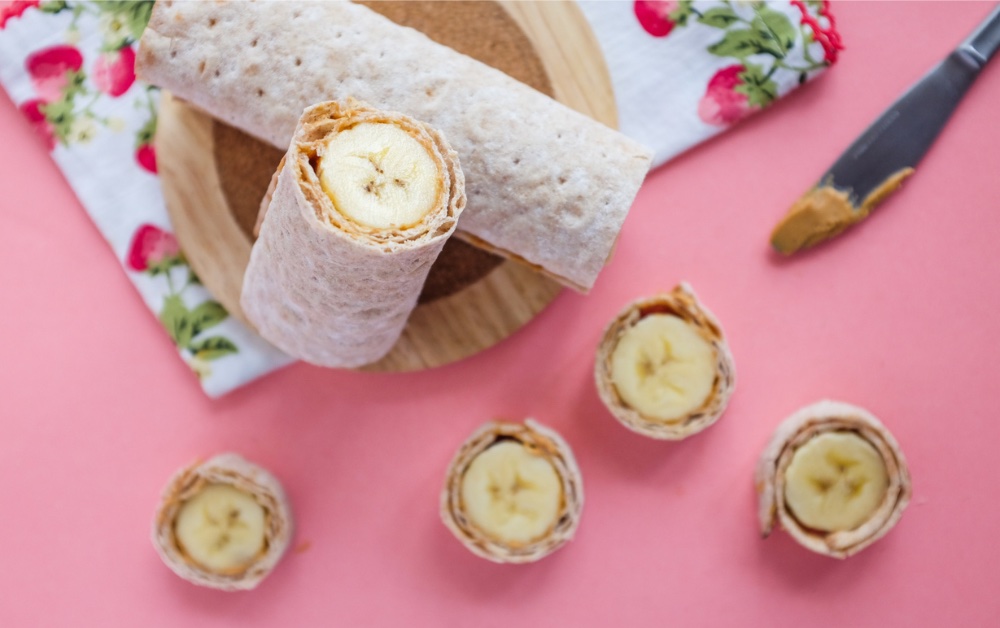
Instead of reaching for chips and cookies, we recommend choosing healthier alternatives. Fruits and vegetables make great snacks! You want to look for snack options that provide enough calories to give you the energy you need but not too many calories to promote weight gain. Look for foods that are low in added fat and sugar and that are high in fiber and water (9).
You can also use EatLove to find snack inspiration. We have over 1,000 snacks on our platform. To find a snack idea, you can click the “Add a Meal” button in the snack row of your expanded meal plan view. The EatLove system will automatically generate snack options that fit in with the nutrition parameters of your scheduled meals and that match your food preferences.
You can also search our entire database of recipes in the “Recipe Search” function, which you can find in the triple-bar menu. Just click the small filter icon on the Recipe Search and select “Snacks” from the “Dish Types” section.
What about snacks for my kids?
Kids might need snacks too! You can follow the same general guidelines we’ve provided for finding snacks for yourself. On the EatLove Recipe Search, you can even filter by kid-friendly snacks. Currently we have over 700 options.
For additional ideas on healthy snacks for your kiddos, check out this snacking resource from the National Institutes of Health.
ASK YOURSELF THIS:
When do I usually snack? What foods are my go-to snack options? Why do I feel the need to snack?
Pro tip: You can record the answers to these questions in the Daily Log on EatLove.
TRY THIS:
Find a snack that sounds good on EatLove and try it out! If it’s a keeper, click the heart in the corner of the meal tile to add it to your favorites.