
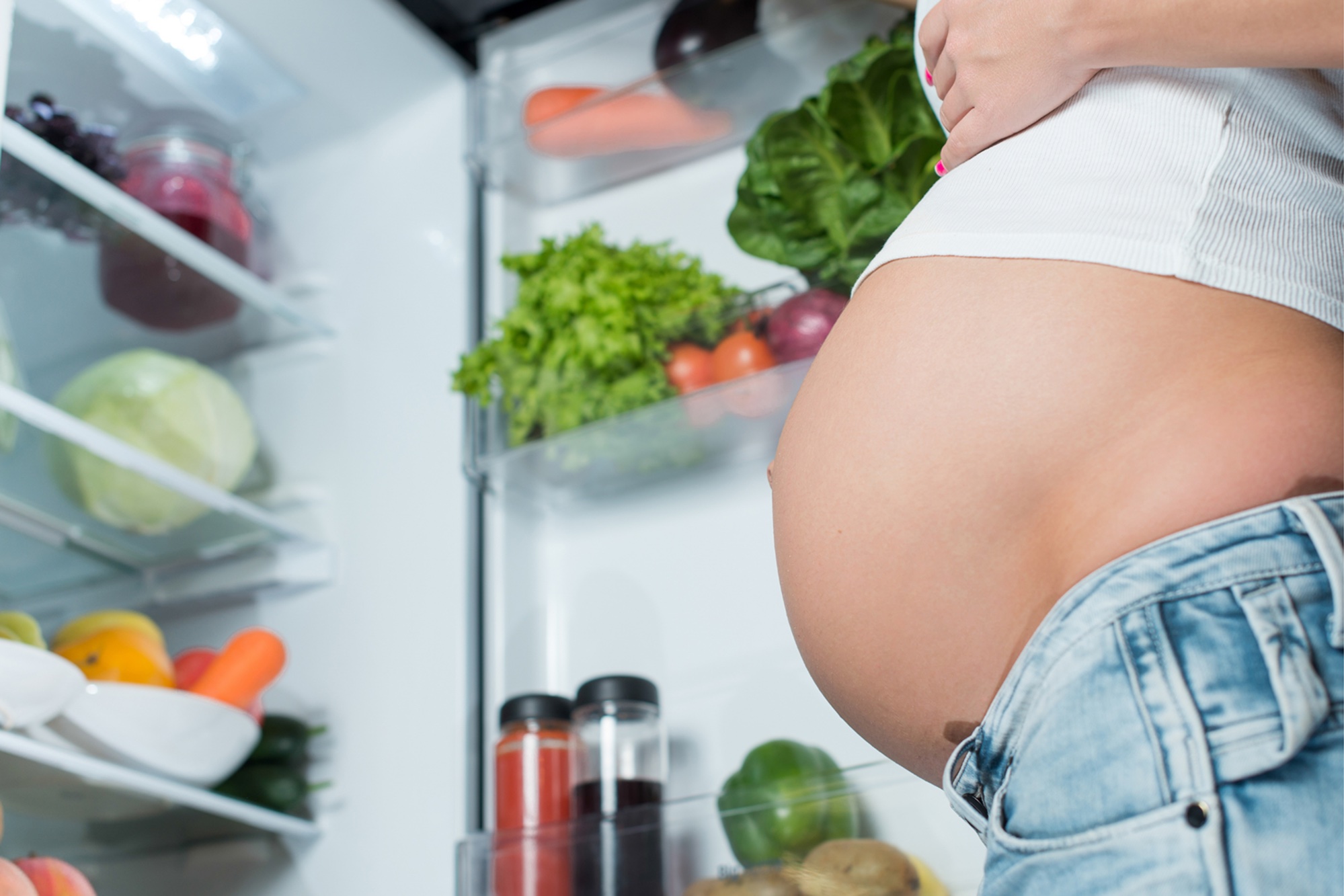
Women are often faced with a lot of advice (some unwarranted) and information during their pregnancy, which can become overwhelming. But what is true and what is just a myth? To help you navigate nutrition during pregnancy, let’s dive into some of the common myths surrounding pregnancy and food.
MYTH 1: You are eating for two.
You might hear that you’re eating for 2 now. While your body does require additional calories and nutrients during pregnancy, you don’t need to double what you’re consuming. In fact, pregnant women only need about 300 extra calories a day to support healthy development for their baby. Overeating can lead to weight gain, and too much weight gain could actually put you and your baby at risk for health complications.
MYTH 2: You can eat whatever you want.
It’s also common to hear that you can basically eat whatever you want while you’re pregnant because your body will pull from its nutrient reserves to provide baby with everything they need. This is also a myth. It’s important to focus on good nutrition during your pregnancy to help you and your baby remain as healthy as possible. So your calories should come from whole grains, fruits, vegetables, healthy fats, etc. Try to avoid “empty calories” or calories that don’t provide much nutritional value (think cookies, candy, soda, etc.).
PRO TIP: EatLove has a nutrition prescription built around pregnancy. Our nutrition intelligence adapts to each stage of pregnancy to help ensure that you are getting the proper energy and nutrients.
MYTH 3: You can’t eat fish.
A common myth is that you can’t eat fish during pregnancy because they contain mercury, which could put your baby at higher risk for birth defects. However, fish is a lean protein that is packed with essential nutrients and omega-3 fatty acids, which can benefit both of you. During pregnancy, you can enjoy 8 to 12 ounces of fish each week. But you should avoid fish with the highest mercury levels. Refer to this chart from the FDA on the best fish choices during pregnancy.
Along these same lines, you might hear that you can’t eat sushi while pregnant. However, it is safe for most pregnant women to enjoy sushi as long as it is prepared in a clean environment. But you should still try to avoid fish with higher mercury content.
PRO TIP: Use the food avoidance tool on EatLove to eliminate fish with higher mercury levels.
MYTH 4: You shouldn’t have caffeine.
No morning coffee while pregnant? Luckily, you don’t have to give up your caffeinated beverages during pregnancy. It is generally safe for pregnant women to consume up to 300mg of caffeine per day. That’s about 2 or 3 cups of coffee. As you consume caffeinated drinks, try to avoid those empty calories and added sugars.
Excess caffeine can increase your risk of fetal growth restriction, which could ultimately lead to a miscarriage or low birth weight.
MYTH 5: You can’t eat cheese or processed meat.
This myth actually has truth to it! Pregnant women are 10 times more likely to get listeriosis than other adults. This illness feels like the flu and is caused by listeria, a bacteria that is found on some types of cheeses and processed meats. Listeriosis can result in miscarriage, premature delivery, infant death, and other health complications.
Cheese made with pasteurized milk is considered safe because the pasteurization process kills listeria. (Think cheddar and mozzarella.) However, unpasteurized cheese, soft cheese, or semi-soft cheese could have listeria. Soft cheeses include brie, feta, queso fresco, and neufchatel, and semi-soft cheeses include blue, gorgonzola, muenster, havarti, and asiago.
Deli meats and other ready-to-eat foods could also contain listeria.
You should generally avoid these types of food unless it is heated to 165 degrees Fahrenheit because the heat can kill bacteria.
MYTH 6: Pineapple causes miscarriage.
Some people say that pineapple, papaya, and other fruits can cause miscarriage. However, pineapple is considered safe to eat during pregnancy, along with other fruits. Fruit contains vitamins and minerals that help promote healthy development in baby and help you maintain your supply of nutrients.
MYTH 7: Eating peanuts or drinking milk will give your baby allergies.
You might hear that eating nuts or dairy products will cause your baby to develop allergies to these foods. So, some women cut these foods out completely. However, there is no scientific evidence supporting this. In fact, some studies have found that eating these foods could actually reduce the chance of babies developing nut and dairy allergies. While you shouldn’t eat any foods in excess, you can enjoy peanuts and milk and reap their nutritional benefits.
If you have questions about what you should and shouldn’t eat during your pregnancy, reach out to us at support@eatlove.is. We can help connect you with a dietitian who specializes in pregnancy nutrition. Of course, you can also speak with your healthcare provider to determine what is best for you and your baby.