
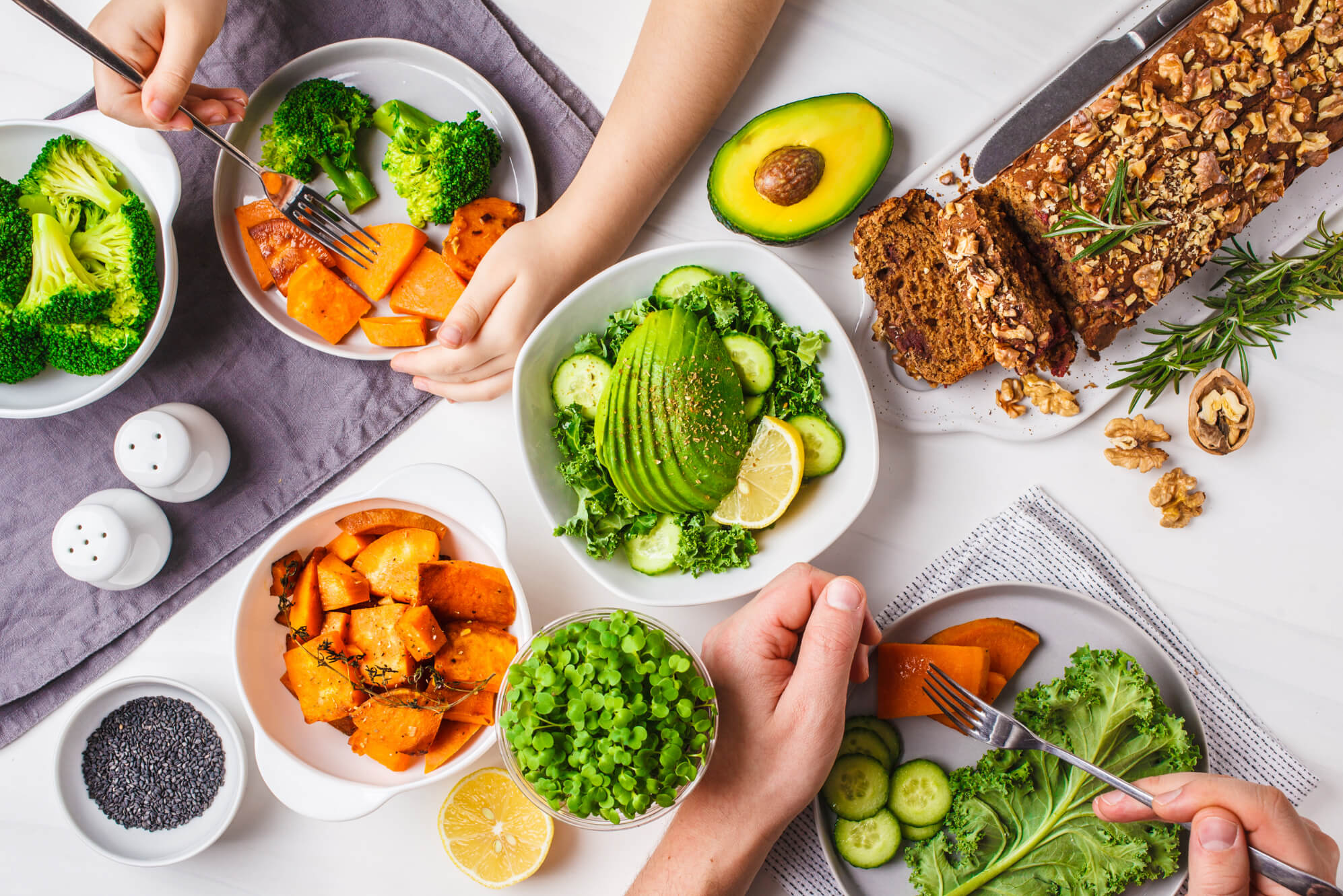
Over the course of a lifetime, we eat thousands of foods. Some sweet. Others savory. While these foods differ in taste and texture, they also differ in their nutrient density. Foods that have a high nutrient density are high in nutritional content compared to the number of calories they contain. By eating more nutrient-dense foods, you can get more nutritional bang for every bite. Plus, you can displace some of the food that lacks nutrients — like junk food or sugary drinks.
But what are the most nutrient dense foods out there? And what nutrients do they provide the body? Let’s explore 11 nutrient-dense foods your body will thank you for and some EatLove tips on to how to get them into your diet.
1. Kale
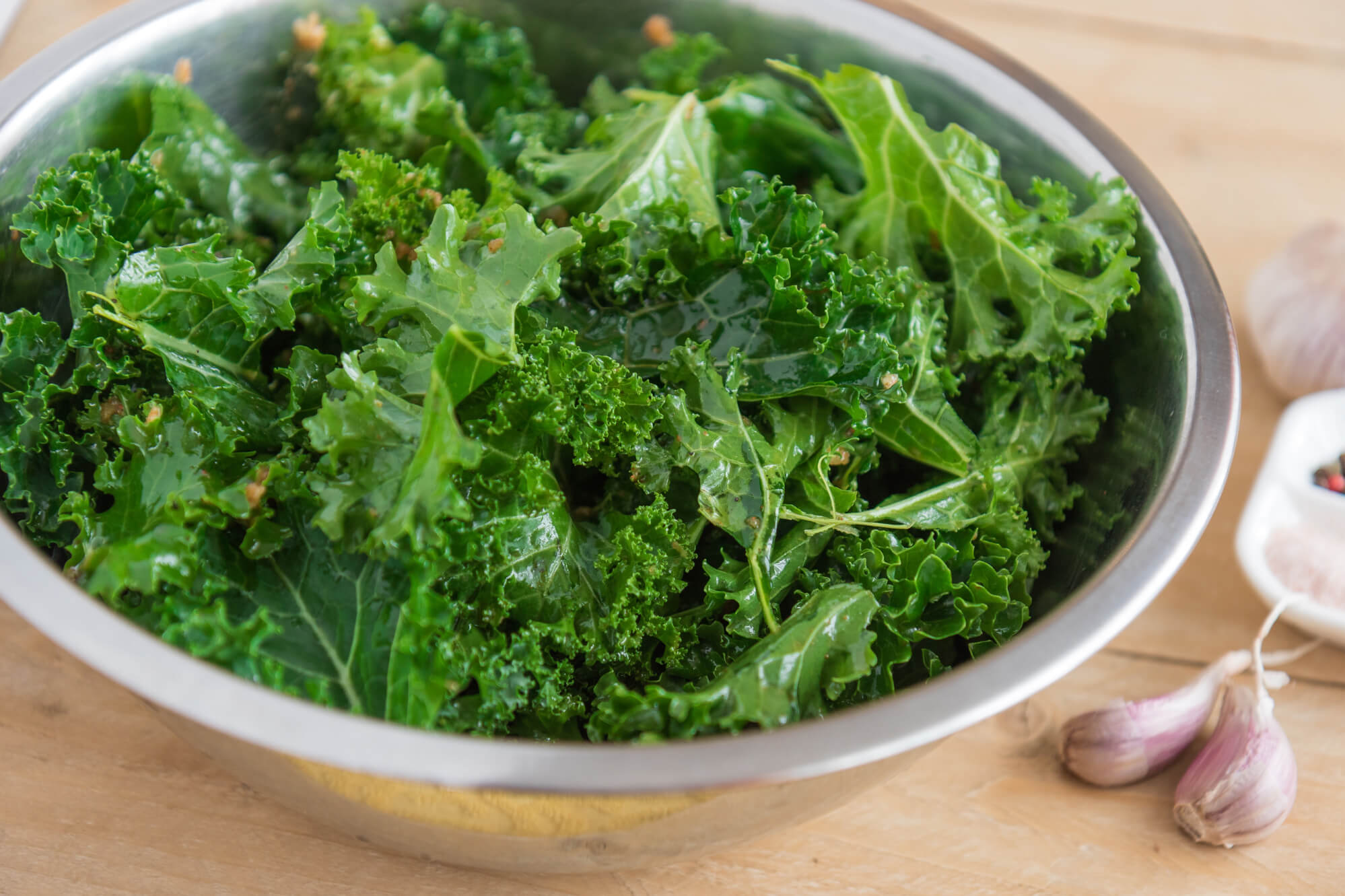
Dark, leafy greens — like kale, spinach, dandelion greens — are great sources of nutrients. But kale stands out as one of the most nutrient-dense of these cruciferous vegetables.
Kale has vitamin C, vitamin A, vitamin B-6, vitamin E, and vitamin K. And it is packed with minerals like calcium, magnesium, potassium, and more. Kale is also low in calories with only 33 calories per cup. While high in many nutrients, kale is low in oxalates compared to other cruciferous vegetables. Oxalates are compounds associated with inflammation, poor mineral absorption, and kidney stones.
You can eat kale raw in a salad, throw it into a smoothie, or sauté it in a skillet. Get some ideas on dishes with kale.

2. Blueberries
Blueberries are small but full of nutrients, and they don’t have many calories. A serving of blueberries has 15% of your daily value of vitamin C. They also have calcium, potassium, vitamin A, phosphorus, and other nutrients. Of course, these little berries are high in antioxidants, which help minimize inflammation in the body.
They are reported to help boost your cardiovascular health, gut health, and brain health. They are also linked to lower LDL cholesterol levels, which is the “bad” form of cholesterol.
Whether you enjoy your blueberries as a snack or as part of a dish, these berries can help round out your nutrition for the day. Get recipe inspiration for blueberries on EatLove!

3. Salmon
Salmon is a great source of protein that contains omega-3 fatty acids. Omega-3s are an essential fat, meaning the body can’t make it on its own. But this type of fat helps cells function properly, controls inflammation, assists in blood clotting, and more. Some studies have also revealed that Omega-3s are linked to lower risk of heart disease and stroke.
While other types of fatty fish also contain Omega-3s, salmon boasts over 4,000 mg of Omega-3 per serving. Salmon also offers other vitamins and minerals, including magnesium, potassium, selenium, and more.
Need some inspiration on how to prepare salmon? Check out our salmon recipes.

4. Cacao
Don’t confuse cacao with cocoa! Cacao is a bean that is harvested in the Amazon. It is the main source for chocolate and cocoa products around the world. Raw cacao is rich in iron, magnesium, zinc, phosphorus, potassium, and antioxidants. In particular, raw cacao is a great source of flavonoids, a type of antioxidant that protects the body from disease, toxins, and aging.
Cacao boasts a number of other health benefits. It can reduce inflammation thanks to the antioxidants, boost your mood with its tryptophans, and relieve muscle tension and anxiety due to magnesium. So, if you need something sweet, reach for dark chocolate that is high in cacao to enjoy some of its health benefits.

5. Liver
Liver may not be part of your regular diet, but our ancestors enjoyed it for many years. But this organ is the most nutritious part of an animal. The liver assists with the body’s metabolism. It breaks down nutrients and chemicals and stores them until the body needs them.
Cow liver, for example, is packed with vitamin A, vitamin B12, vitamin B2, copper, and other vitamins and minerals. And chicken liver offers many of the same nutrients.
Classic liver dishes include pâté and liver and onions. But you can cook liver and mix it in with ground meat to boost the nutritional value of your dish while maintaining the flavor and texture.
6. Garlic
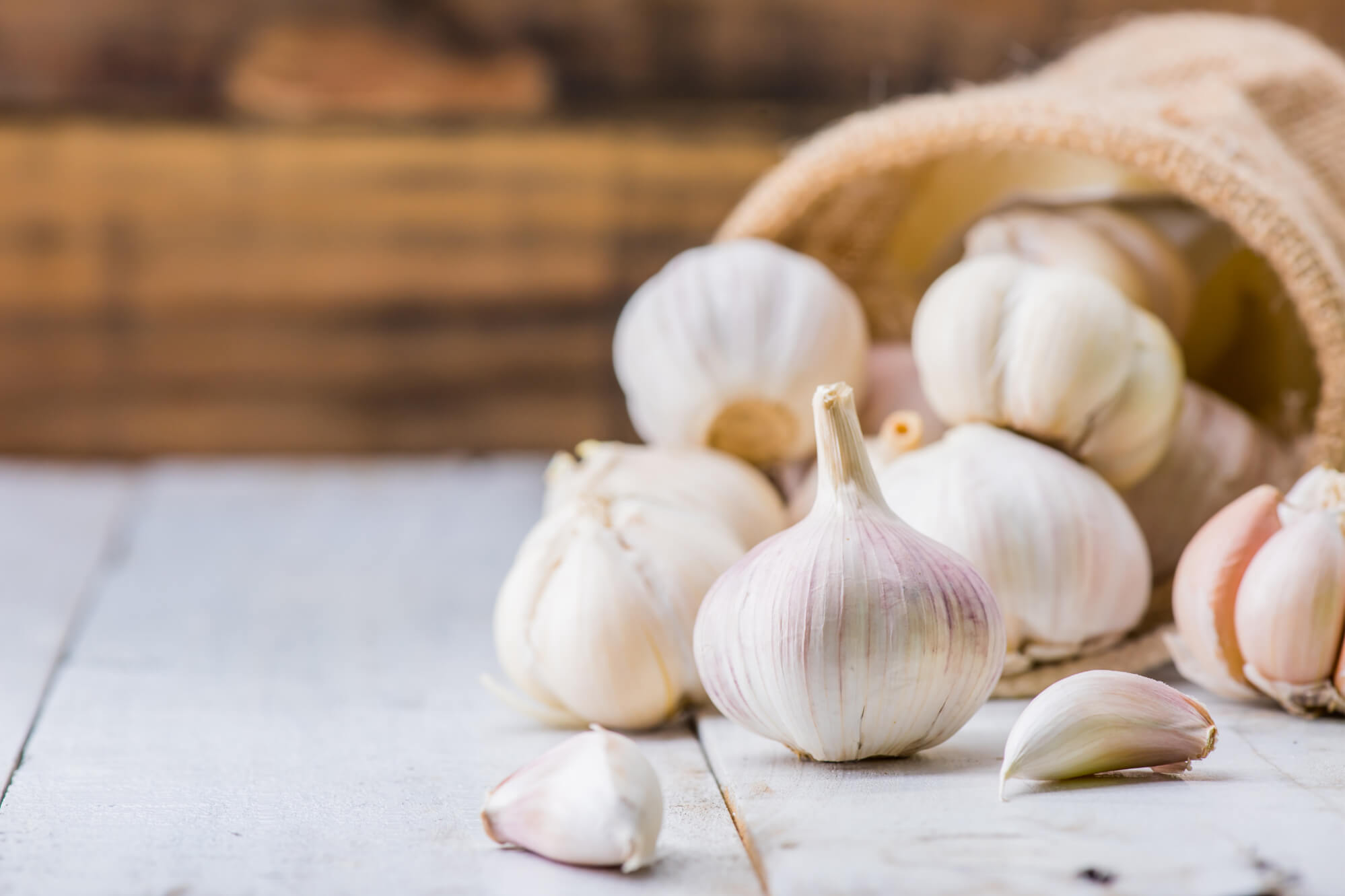
Did you know that garlic is packed with nutrients? Well, not only does it add delicious flavor to your dishes, but it offers vitamin C, selenium, vitamin B6, manganese, phosphorus, calcium, iron, and copper.
Research has shown that garlic can also help boost your overall health. Garlic may:
- Help regular blood pressure
- Reduce inflammation
- Promote healthy nails and skin
- Reduce risk of colon cancer
- Fight fungus
But with garlic, a little goes a long way. We don't recommend eating garlic in large quantities because too much could cause an upset stomach, bloating, and, of course, bad breath.

7. Sardines
Sardines are another fatty fish that makes our list of nutrient-dense foods. Sardines are small fish that are often eaten whole. As a result, you get to enjoy the organs, which — as we mentioned — are the most nutrient-dense parts of animals.
Like salmon, sardines are a great source of Omega-3s. But they also contain a little bit of just about every nutrient that your body needs from vitamin A to zinc.
If you haven’t tried sardines yet, we recommend putting a sardine on top of toast or crackers. Check out these simple sardine recipes.

8. Egg Yolks
Egg yolks specifically are a high source of nutrients. The yolk’s function is to provide nutrients to an embryo, so it offers a wide range of vitamins and minerals — vitamin B12, vitamin B2, vitamin A, folate. Yolks are also high in protein, choline, amino acids, and essential fatty acids.
The yolks are also reported to help:
- Protect your eyes from age-related loss of vision
- Prevent heart disease
- Maintain brain health
While egg yolks are a source of cholesterol (186 mg in a single large yolk), research suggests that the cholesterol found in egg yolks doesn’t seem to raise the body’s levels of cholesterol in the same way that trans fats and saturated fats do. So, you can have your egg and the yolk too.
9. Legumes
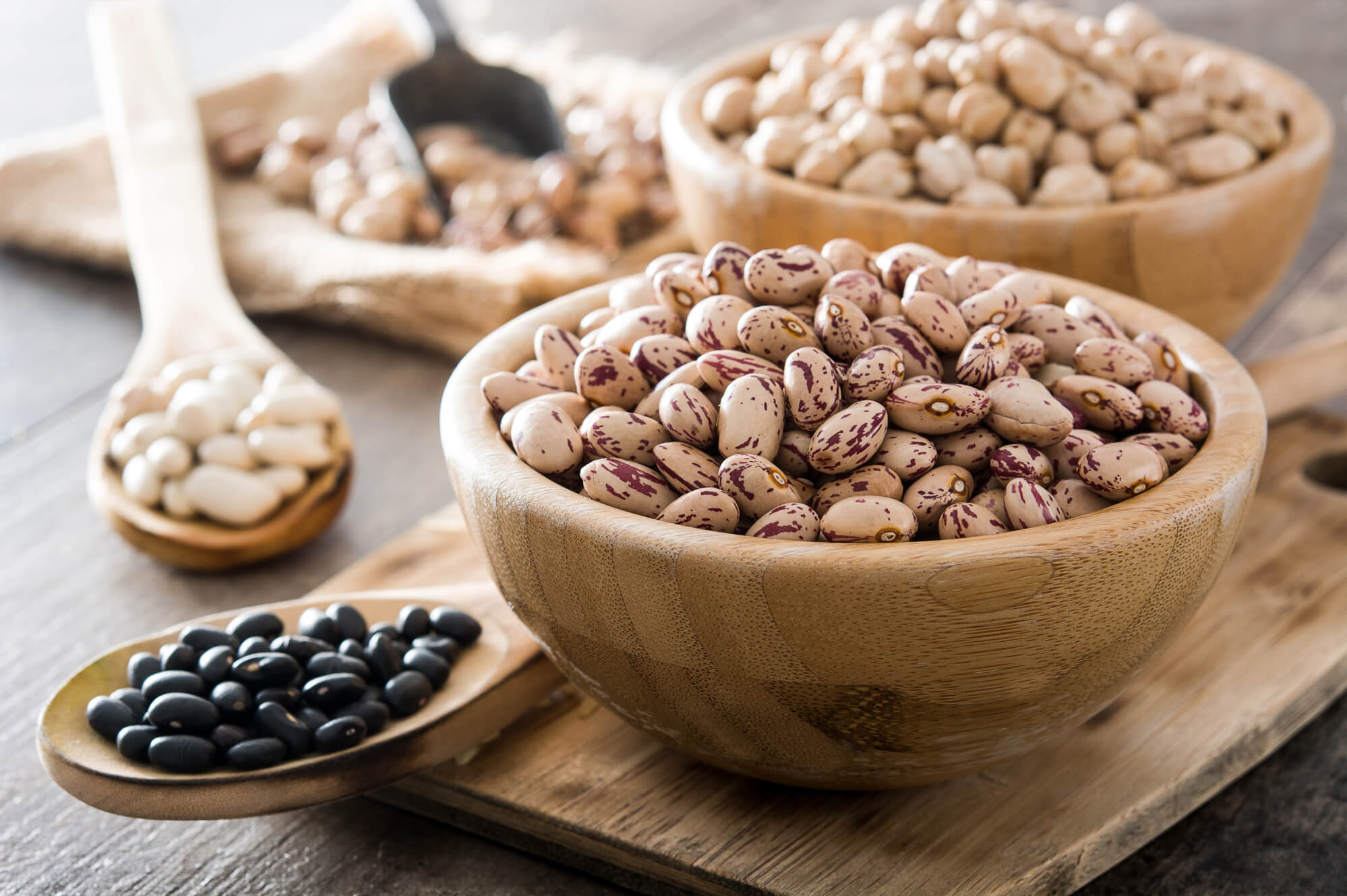
Legumes are a group of foods that include beans, peas, lentils, soybeans, and peanuts. Legumes are a great source of plant-based protein, and they are lower in fat than protein from animals. Most legumes are high in fiber, B vitamins, folate, calcium, potassium, zinc, and phosphorus. Plus, they are usually cheap and easy to find in a grocery store.
Legumes also contain carbohydrates, which help keep you full. Legumes are associated with lower blood sugar, blood pressure, and risk of heart disease.
Luckily, there are many different types of nutritious legumes and many ways to prepare them — savory and sweet. Review our 1600+ dietitian-approved recipes with legumes!
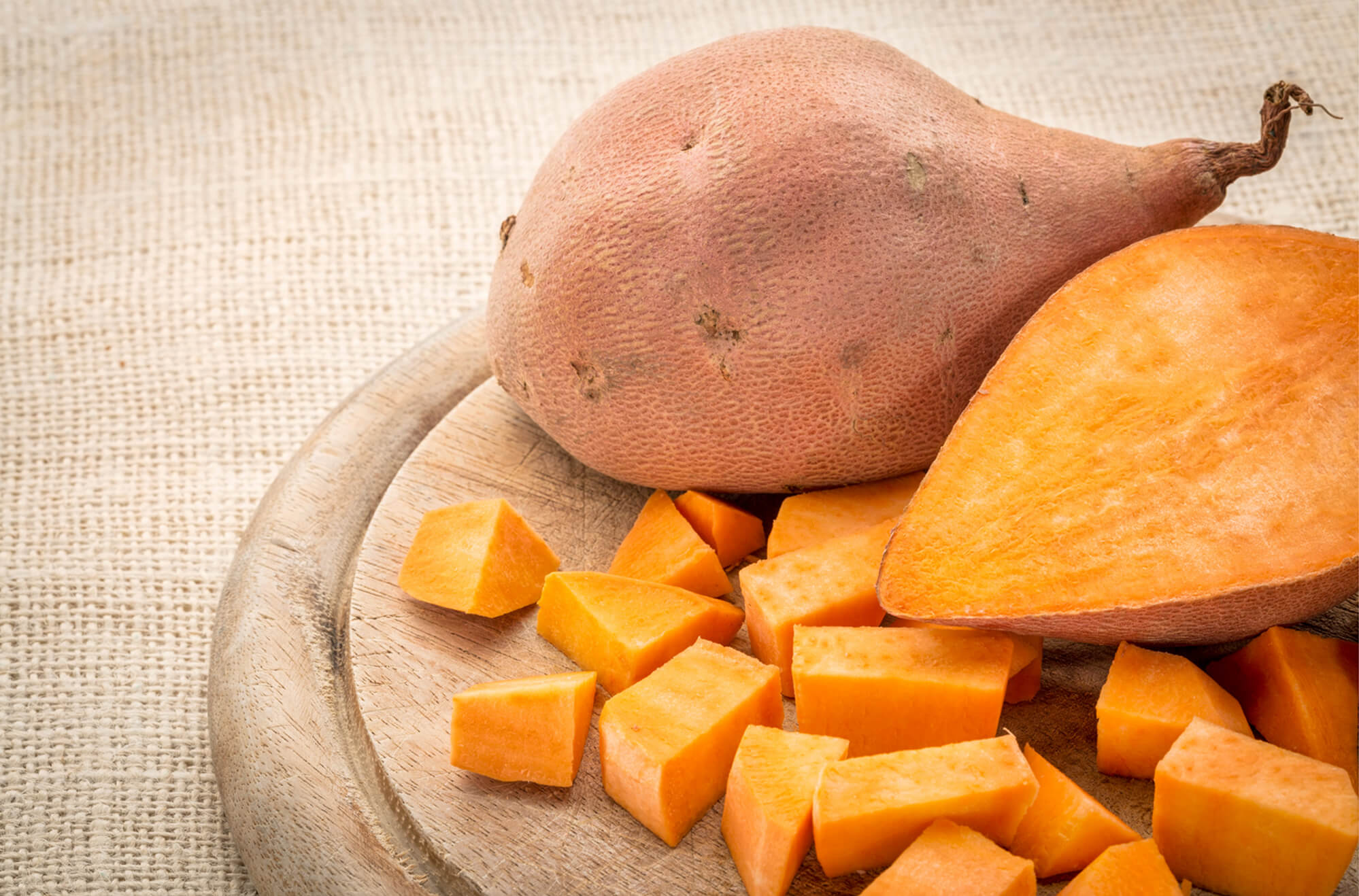
10. Sweet Potato
Sweet potatoes are complex carbohydrates, which mean the body breaks them down slowly to obtain energy. So, you can feel full longer. Sweet potatoes are also high in antioxidants, including beta-carotene. They also contain calcium, phosphorus, potassium, folate, and vitamin A.
One great thing about sweet potatoes is that they can easily be made into the star of a dish or fade into the background as a side. Plus, you can sweeten them up or make them more savory. Get ideas on how to prepare your sweet potatoes.
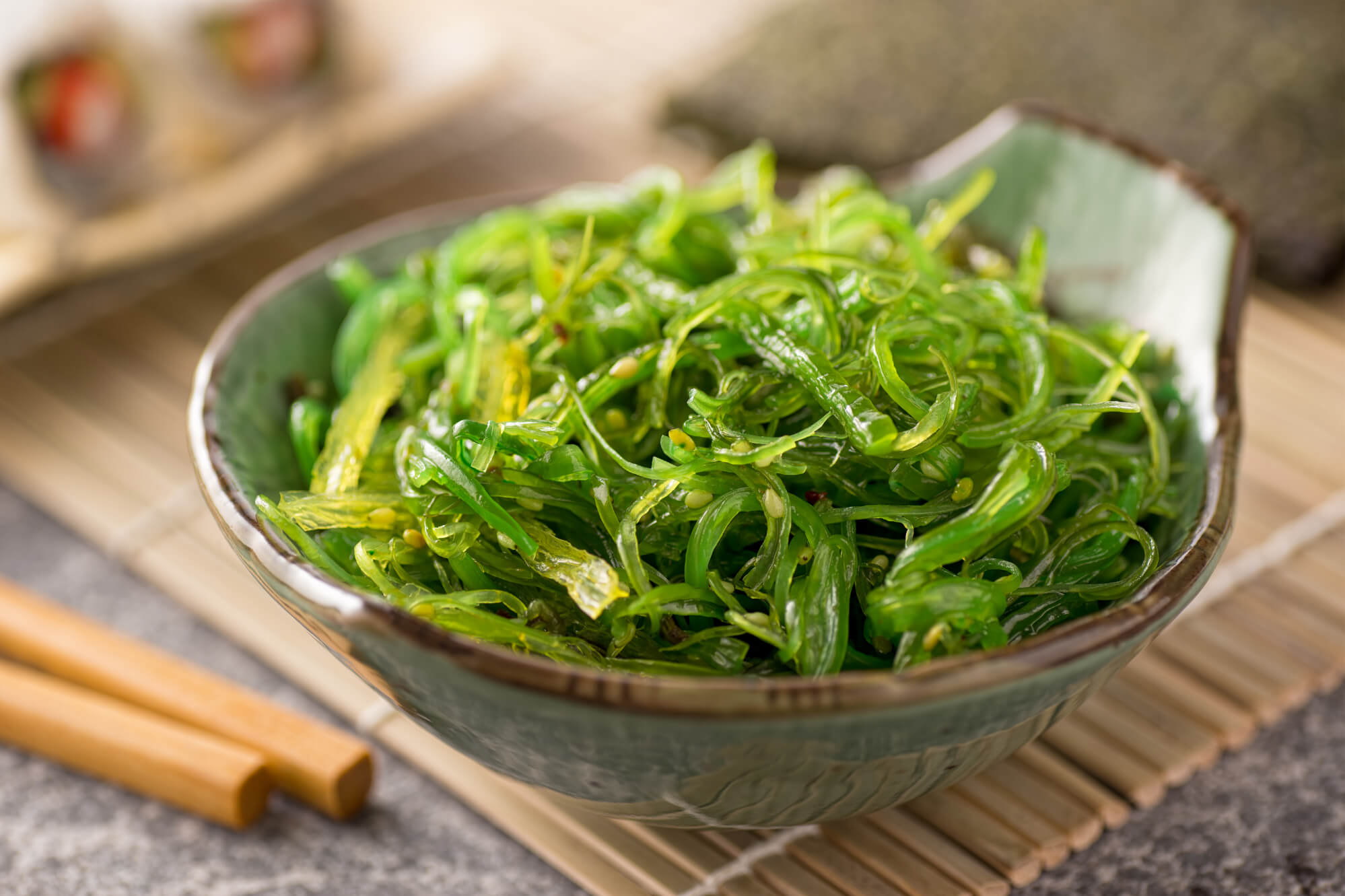
11. Seaweed
Seaweed refers to vegetables grown in the sea, and they may contain more nutrients that vegetables grown on land. There are an estimated 10,000 varieties of seaweed, and they have been enjoyed in Asian cuisine for thousands of years. Nori is commonly used in sushi, while other varieties include kelp and spirulina.
While different varieties of seaweed boast different nutrients, most seaweed contains iodine, calcium, iron, magnesium, and manganese. Many types of seaweed are also high in protein, fiber, and amino acids.