
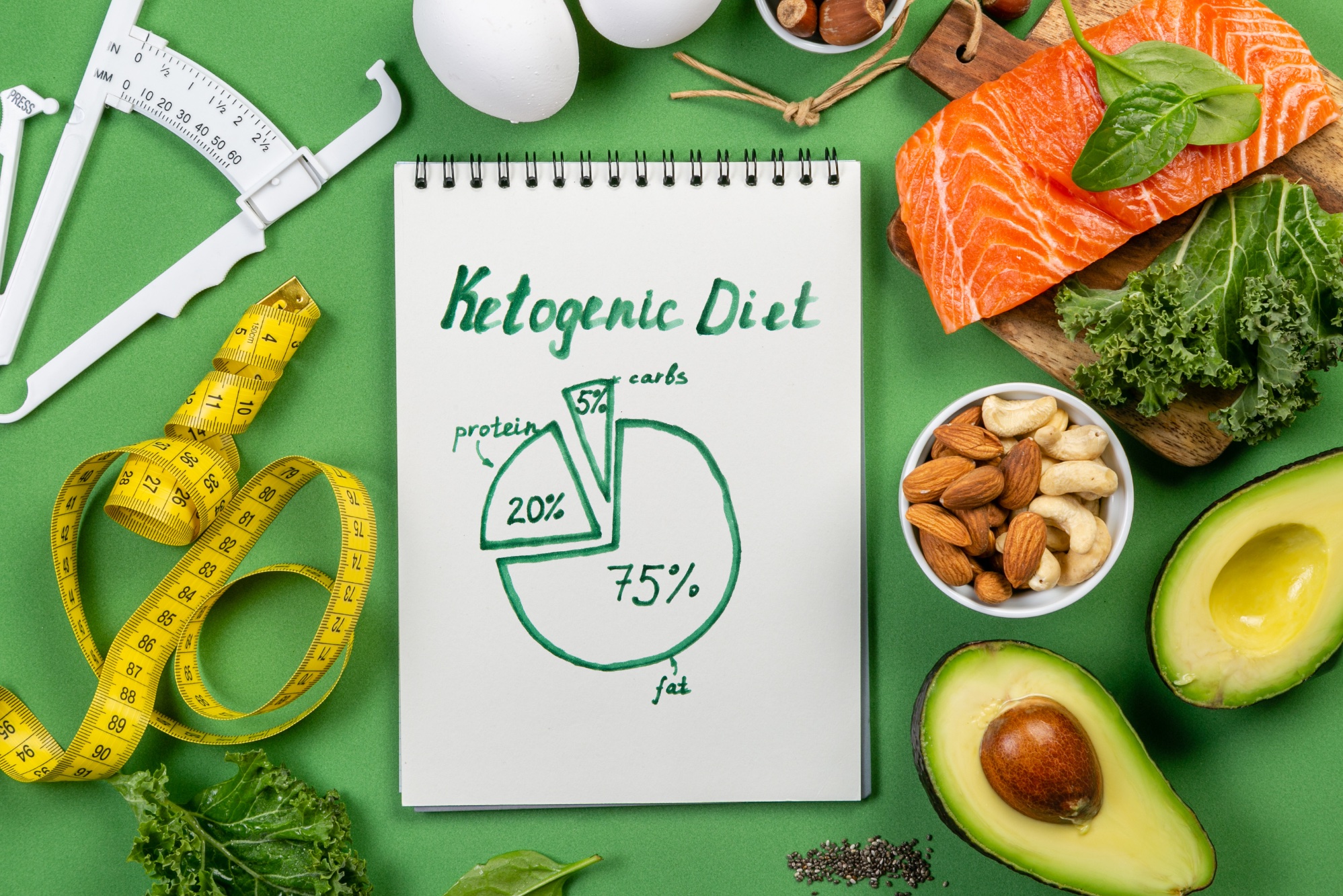
You may have heard of the keto diet or come across keto-friendly recipes. You may have even tried some keto foods. But what exactly is the keto diet? And is it something that you should try? In this post, we will explore the basics of the keto diet, including what you should and shouldn’t eat while adhering to this diet.
Overview of the Keto Diet
The keto (or ketogenic) diet is a low-carb, high-fat diet that shifts the body’s natural metabolism. Typically, the body relies on carbs for energy because they contain glucose, which is the simplest form of fuel our bodies can use. The body breaks down glucose before other forms of fuel, and any remainder of glucose is stored as fat or glycogen in the liver and muscles that can be used as energy later.
Replacing carbs with fat can put the body into a metabolic state called ketosis. During ketosis, the body efficiently burns fat for energy — instead of relying on glucose as the source of fuel. How? The body converts fat into ketones, which are chemicals made in the liver that are used as fuel when glucose isn’t available.
Because the body will always break down glucose for energy first, the keto diet aims to force the body to break down fat and utilize ketones for energy. It requires eating protein in moderation because protein can be converted into glucose if you consume a lot of it at one time, thus, limiting the ability to achieve ketosis.
Additionally, individuals may practice intermittent fasting to help them achieve ketosis faster. Intermittent fasting entails eating for a period of time and then fasting for the remainder of the day. In the period of fasting, the body may shift its energy source from carbs to fat.
Different Types of Keto Diets
A keto diet is characterized by being low in carbs and high in fat. However, the ratio of carbs to fat may differ. Below are the rations for common versions of the keto diet.
- Standard keto diet (SKD): This diet contains 70% fat, 20% protein, and 10% carbs.
- Cyclical keto diet (CKD): This version of the keto diet involves high-carb days. For example, 4 keto days and 3 high-carb days.
- Targeted keto diet (TKD): This keto diet allows for carb intake around workouts.
- High-protein keto diet: This version of the keto diet contains 60% fat, 35% protein, and 5% carbs.
As we discuss the keto diet throughout this post, we refer to the standard keto diet. This version of keto is most common and has been researched more thoroughly than other variations of keto.
Potential Benefits of the Keto Diet
Weight Loss
The keto diet was actually originally developed to help treat children with epilepsy; however, the diet has been marketed to primarily help individuals with weight loss. The whole idea behind ketosis is to drive the body to burn fat, thereby helping individuals slim down and shed pounds. However, it may also offer additional health benefits.
Reduce Blood Sugar
The keto diet can potentially reduce blood sugar levels. That’s because it reduces carbs, which contain glucose (AKA sugar). Naturally, as you reduce carbohydrates, you reduce the amount of sugar in the bloodstream. This benefit may be most appealing for individuals with diabetes.
Improve Insulin Sensitivity
Among individuals with type 2 diabetes, a keto diet may help improve insulin sensitivity. Insulin allows cells to absorb glucose from the bloodstream. Individuals with diabetes may not produce enough insulin or they may not respond effectively to insulin, resulting in a buildup of glucose. However, a keto diet may improve the body’s response to insulin in individuals with diabetes. One study reported that insulin sensitivity increased by 75%.
Suppress Appetite
There are a number of factors that affect appetite, but one of them is the hormone leptin. This hormone tells the body to eat less. On the keto diet, the brain’s sensitivity to leptin increases, so it receives the message that the body is full — suppressing your appetite.
Reduce Inflammation
Keto may help reduce inflammation. It may specifically help reduce inflammation in the brain and improve outcomes after injury or trauma. While the relationship between keto and inflammation has been studied in rodents, further research is needed to understand the relationship.
Potential Risks of the Keto Diet
Not Enough Research
Although the keto diet is recommended to help patients with epilepsy, doctors don’t exactly know why the diet reduces epilepsy symptoms. Additionally, many of the claims and health benefits of the keto diet need to be researched further. There’s a lot we still don’t know about what the diet does to the body and how it affects us long term.
Too Many Ketones Can Be Harmful
While nutritional ketosis may produce healthy benefits, too many ketones in the body can lead to a condition called ketoacidosis, which can be life-threatening. This condition is often found in individuals with type 1 diabetes and some individuals with type 2 diabetes. During ketoacidosis, the body essentially believes that it’s starving. As a result, it breaks down fats and proteins too quickly. But if there isn’t enough insulin in the body to carry energy into the cells, ketones can accumulate in the blood.
If ketoacidosis isn’t treated, individuals may experience the following symptoms:
- Nausea
- Vomiting
- Pain
- Difficulty breathing
- Confusion
- Loss of consciousness
“Keto Flu”
When starting the keto diet, your body may experience unpleasant, flu-like symptoms. This state is commonly called the “keto flu.” As the body adjusts from a high-carb diet to a low-carb diet, you may experience the following:
- Headache
- Fatigue
- Dizziness
- Difficulty sleeping
- Diarrhea
- Cramps
These symptoms typically resolve within 2 weeks. However, if you are looking to start a keto diet, you may want to ease into it by slowly adjusting your macronutrient ratios as opposed to jumping in full force.
Malnutrition
Because the keto diet is a highly restrictive diet, it can be hard for individuals to know what to eat and how much. The diet eliminates many food groups that contain nutrients the body needs — for example, individuals may not get sufficient fiber from fruits, vegetables, and whole grains on keto. So it’s important that individuals find other sources of those nutrients to remain healthy. If an individual doesn’t achieve the proper balance of nutrients, they could suffer from malnutrition.
How to Follow the Keto Diet
To achieve the benefits of the keto diet while remaining healthy, we recommend working with a nutrition professional. This can help ensure that you are getting the right balance of macronutrients for your unique health needs. Keto is also not intended to be a long-term diet, so a medical professional can help you determine when and how to increase your carb intake.
Below are general guidelines on foods to avoid and foods to include in the keto diet.
Foods to Avoid
On the keto diet, you should avoid high-carb foods, including the following:
- Grains (rice, pasta, cereal, etc.)
- Fruit
- Beans and legumes
- Root vegetables (potatoes, carrots, etc.)
- Alcohol
- Sugary foods (candy, soda, ice cream, etc.)
- Low-fat, sugar-free, or “diet” foods
Foods to Eat
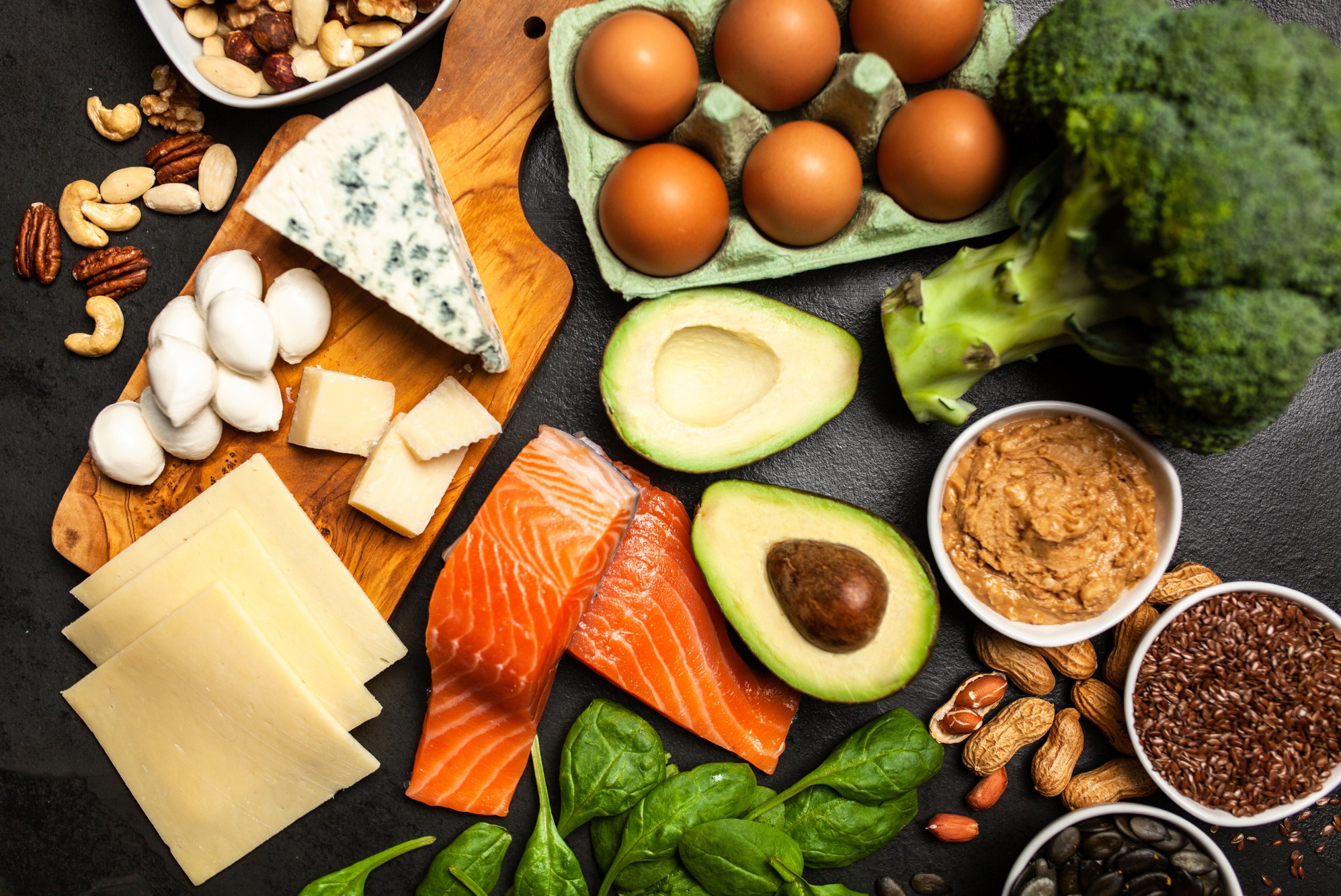
On the keto diet, you should focus on eating foods high in healthy fats and low in carbs, like the following:
- Eggs
- Fatty fish (salmon, tuna, etc.)
- Unprocessed cheese (cheddar, cream cheese, mozzarella, etc.)
- Avocado
- Olives
- Nuts and seeds
- Green vegetables
How To Know If You’re in Ketosis
By reducing carbs and increasing healthy fats, you may achieve ketosis. You can determine if you are in ketosis by checking your urine, blood, or even breath for ketones. You can buy over-the-counter kits to help you indicate if you’ve achieved ketosis.
However, you may notice some symptoms when you have achieved ketosis:
- Increased thirst
- Decreased hunger
- Frequent urination
- Dry mouth
If you’re interested in following the keto diet, reach out to EatLove at support@eatlove.is! We can put you in touch with a nutrition professional who can help you start and stick to a keto diet. Our platform takes all the guesswork out of following this diet, so you can just enjoy delicious meals.
If you are a nutritional professional looking to support clients on a keto diet, let EatLove help you! We offer a customizable nutrition prescription for a low-carb, high-fat diet. You can tailor this prescription to your clients and use it to produce 100% customized keto meal plans. Start today by creating a FREE account.